 By Admin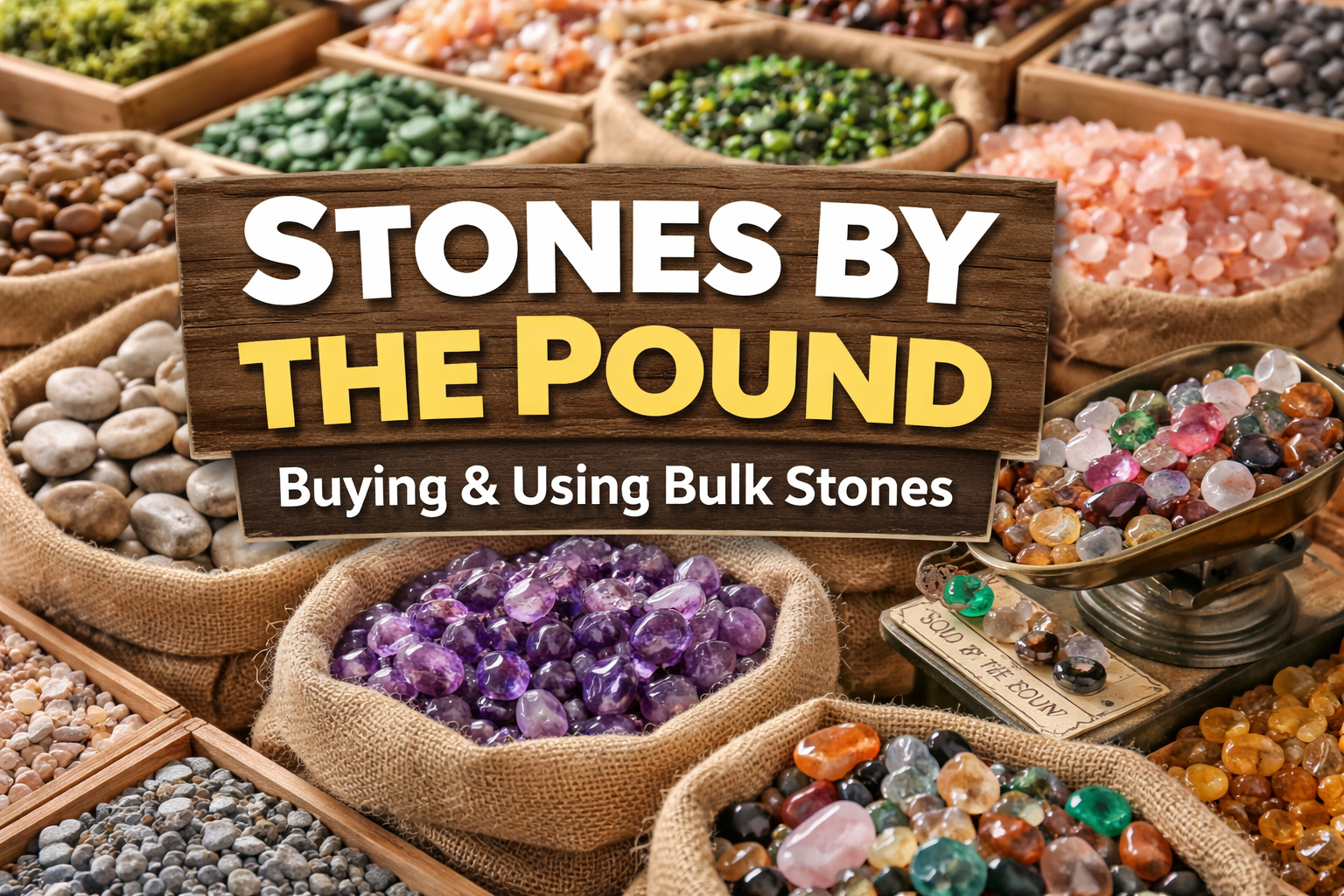
Ever seen a listing that says “stones by the pound” and thought… wait, what does that actually mean? You’re not alone. It sounds simple, but there’s a bit more going on under the surface.
Sometimes it’s about landscaping rocks. Sometimes gemstones. Sometimes decorative gravel. Same phrase — totally different use.
Let’s break it down… in a real, human way.
What Does “Stones by the Pound” Mean?
At its core, it’s exactly what it sounds like. You’re buying stones based on weight, not by individual pieces.
Instead of picking one stone at a time, sellers measure everything together and sell it in pounds (or kilos).
- You pay based on total weight
- Stones can be mixed or uniform
- Common in bulk buying situations
And yeah… it’s usually cheaper this way.
Interestingly, stones have been used as weight units historically too — like the “stone” measurement equal to 14 pounds in old British systems . So the connection between stones and weight goes way back.
Why Are Stones Sold by Weight?
Short answer? Convenience and pricing.
Longer answer… it depends on the type of stone.
Common reasons:
- Bulk materials (gravel, pebbles, crystals) are easier to weigh than count
- Natural stones vary in size and shape
- Sellers can price faster and more consistently
- Buyers get better deals in bulk
And honestly… counting hundreds of tiny stones would be a nightmare.
How Stone Pricing Actually Works
Here’s where things get a little interesting.
Not all stones are priced the same way.
For example, many Gemstones are usually priced by carat, not pounds. One carat is just 0.2 grams .
But cheaper or bulk stones? Yeah — those are often sold by weight (pounds or kilograms).
Key pricing factors:
- Type of stone (quartz vs ruby = huge difference)
- Quality (color, clarity, finish)
- Size and weight
- Rarity and demand
- Source location
For high-end stones, the famous “4 Cs” — cut, color, clarity, carat — heavily influence price .
Types of Stones Sold by the Pound
This is where it gets practical.
You’ll usually find these categories sold by weight:
1. Landscaping Stones
Used for gardens, driveways, and outdoor design.
- Gravel
- River rocks
- Crushed stone
- Decorative pebbles
Cheap, heavy, and perfect for bulk buying.
2. Decorative & Craft Stones
Great for home decor or DIY projects.
- Colored glass stones
- Polished pebbles
- Aquarium stones
- Mosaic stones
Usually sold in small bulk packs.
3. Bulk Gemstones (Lower Grade)
These aren’t jewelry-grade, but still useful.
- Quartz
- Amethyst
- Jasper
- Agate
Some of these can cost just a few dollars per unit weight depending on quality .
Average Price Comparison Table
Here’s a simple breakdown so you can understand pricing better:
| Type of Stone | Sold By | Average Price Range | Use Case |
|---|---|---|---|
| Gravel / Crushed Rock | Pound / Ton | Very cheap | Construction, landscaping |
| River Rocks | Pound | Low to medium | Gardens, decor |
| Quartz / Jasper | Pound / Carat | $2 – $100 per unit | Crafts, healing stones |
| Amethyst / Opal | Carat / Pound | $15 – $100+ | Jewelry, decor |
| Diamond / Ruby | Carat | $500 – $6000+ | High-end jewelry |
Note: Prices vary a lot depending on quality and size.
How to Buy Stones by the Pound (Step-by-Step)
Buying bulk stones isn’t complicated… but you should still be smart about it.
Step 1: Know Your Purpose
Are you landscaping? Crafting? Collecting?
Different needs = different stones.
Step 2: Check Stone Size
A pound of small pebbles looks very different from a pound of large rocks.
- Small stones = more pieces
- Large stones = fewer pieces
Step 3: Ask About Quality
Especially for gemstones.
- Are they polished or raw?
- Any cracks or inclusions?
- Natural or dyed?
Step 4: Compare Prices
Bulk buying should save money. If it doesn’t… something’s off.
Step 5: Calculate Coverage
For landscaping, always calculate:
- Area size
- Depth needed
- Total weight required
Benefits of Buying Stones by the Pound
Honestly… there are quite a few.
Why people love it:
- Cost-effective for large projects
- Easier to measure and transport
- Flexible — mix and match stones
- Ideal for DIY and creative work
And yeah… it feels satisfying getting a big bag of stones for a good price.
Common Mistakes to Avoid
Let’s be real — people mess this up more often than you’d think.
Watch out for:
- ❌ Ignoring stone size differences
- ❌ Buying too little (or way too much)
- ❌ Not checking quality (especially gemstones)
- ❌ Assuming all stones are equal in value
- ❌ Forgetting shipping weight costs
Heavy things = expensive delivery. Always factor that in.
Real-Life Examples
Let’s make this more practical.
Example 1: Garden Project
You buy 50 pounds of river rocks.
- Covers a small pathway
- Adds aesthetic value
- Costs way less than buying individually
Example 2: Craft Business
You buy bulk quartz stones.
- Use for handmade jewelry
- Sell individually for profit
- Bulk price = higher margins
Example 3: Aquarium Setup
You buy polished stones by weight.
- Ensures even base coverage
- Looks clean and natural
Future Trends in Bulk Stone Buying
This space is quietly growing… and changing.
What’s coming:
- More online bulk marketplaces
- Sustainable and eco-friendly stone sourcing
- Custom mixed stone bundles
- Direct-from-mine selling models
The global gemstone market itself is expected to grow significantly over the next decade … which means more options for buyers like you.
FAQs About Stones by the Pound
Are stones by the pound cheaper?
Yes, usually. Bulk pricing reduces cost per unit.
Can gemstones be sold by the pound?
Yes — but usually only lower-grade or mixed stones. High-value gems are priced per carat.
How many stones are in a pound?
Depends on size. Could be 10 large rocks… or 500 small pebbles.
Is it worth buying in bulk?
If you need a lot — absolutely. For small projects, maybe not.
Final Thoughts
“Stones by the pound” sounds basic… but it opens up a whole world of buying options.
It’s about efficiency. Savings. And sometimes… creativity.
But here’s the thing — not all stones are equal. Some are just rocks. Others? They can be worth thousands depending on quality and rarity.
So take your time. Know what you’re buying.
And yeah… don’t just go for weight — go for value.