The Role of Natural Light
Natural light is a crucial component for indoor plant growth, as it drives the process of photosynthesis. When designing a home, it’s essential to consider window placements and the potential for maximizing light exposure. South-facing windows typically provide the most consistent light, benefiting light-loving plants like succulents and cacti.
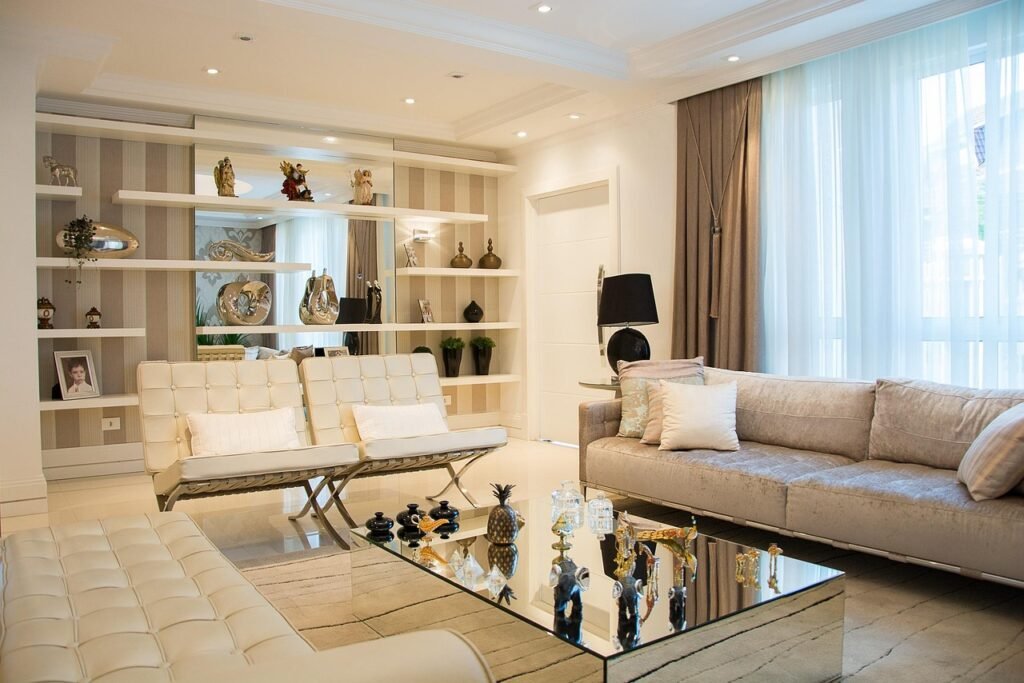
Incorporating reflective surfaces or light-colored walls can help distribute light more effectively throughout the room. Mirrors are an excellent choice as they can redirect sunlight to dimmer areas, supporting plant growth. Transparent curtains can also modulate the intensity of sunlight and provide the right amount of light needed by delicate plants.
Different plants require varying levels of sunlight, and understanding these needs can guide the placement of plants around your home. For example, low-light plants such as ferns and snake plants are well-suited for north-facing rooms or shaded corners. Proper planning enhances the chances of keeping your indoor plants healthy and vibrant.
Impact of Temperature Control
Temperature is another vital factor that influences indoor plant growth. Many houseplants thrive in a temperature range similar to average human comfort levels, between 65°F to 75°F. While modern heating systems can provide consistent warmth, it’s essential to avoid placing plants too close to radiators or heaters.
One particular aspect to consider is underfloor heating, which can offer an even distribution of warmth. This method is generally beneficial for plants, but the key is moderation. The correct settings can prevent overheating, a crucial step in keeping plants healthy with floor heating.
Drastic temperature fluctuations should be avoided to prevent stress on plants, leading to wilting or leaf drop. Thermostat settings should ensure a steady environment, which supports the metabolic and growth processes of indoor greenery.
Humidity and Its Effects
Humidity levels in your home can greatly affect your indoor plants’ health. Tropical plants, such as orchids and ferns, tend to prefer higher humidity levels, often above 50%. Conversely, arid climate plants like succulents and cacti require drier conditions.
Incorporating humidifiers into your home design can help maintain a stable environment for moisture-loving plants. Bathrooms and kitchens, which naturally have higher humidity levels, can be excellent places for such species. Extractor fans in these areas should balance to maintain comfortable plant-friendly conditions.
Creating micro-habitats using pebble trays or grouping plants can also boost local humidity levels. This approach is particularly beneficial during winter months when heating systems can dry indoor air, negatively impacting plant health.
The Influence of Space and Arrangement
Space and arrangement significantly affect plant growth and health. Crowding plants together can restrict airflow, increasing the risk of diseases related to fungal and bacterial infections. It’s important to ensure that plants have enough room to breathe and grow.
When planning the layout, consider the mature size of the plants. Giving them sufficient space not only accommodates their growth but also creates a visually appealing arrangement. Elevating smaller plants on stands or shelves can add dimension and improve air circulation.
Vertical spacing solutions, such as hanging planters or wall-mounted shelves, offer innovative ways to include more greenery in tighter spaces. This method optimizes the use of available space without compromising on the plants’ wellbeing.
Designing with Plant-Focused Furniture
The furniture you choose can also contribute to the health of your indoor plants. Opting for plant stands and tables with adjustable heights allows you to tailor the light exposure for specific plants. These stands can serve as decorative elements while providing a stable base that keeps plants off cold floors.
Select furniture materials that are resistant to water damage, as plants may drip or leak during watering. Metal or coated wood surfaces are preferable, as they are less likely to warp or stain. Ensuring these elements complement the design of the room can maintain aesthetic continuity.
Integrating planter boxes or built-in shelving units into your furniture design can seamlessly incorporate greenery as part of your home environment. Thoughtful placement ensures that plants receive enough light and ventilation, fostering a healthy growing space.
Color Schemes and Psychological Impact
Color schemes in your home can have both direct and indirect effects on plant growth. Light-colored walls and ceilings can reflect more sunlight, maximizing light availability for your plants. This reflective quality can be especially beneficial in rooms with limited natural light.
A harmonious color palette can also influence the psychological perception of your indoor garden. Warm, earthy tones can create a cozy, natural atmosphere conducive to a peaceful environment, enhancing your overall experience with your home garden.
Choosing the right colors can complement your plant selection, highlighting their natural beauty and enhancing your decor. A balanced design that integrates both plants and color schemes can create a serene and vibrant indoor space.
The Element of Sound
Although less conventional, sound can also affect plant growth and wellbeing. Studies have suggested that certain types of music or sound frequencies may positively impact plant health. Designing a sound-controlled environment can enrich the indoor gardening experience.
Consider incorporating soft music or soundproofing to minimize disruptive noises from the environment. This ambient sound can create a relaxing environment conducive for both plants and their caregivers.
For plants sensitive to vibrations, ensuring they are placed in stable locations away from sources of constant noise, such as heavy machinery or bustling corridors, can prevent undue stress and promote healthier growth.
Frequently Asked Questions
Do indoor plants require specific types of lighting?
Yes, indoor plants generally need access to natural or artificial lighting that supports their photosynthetic processes. Different species require varied light intensities, so placement should be based on their specific needs to ensure optimal growth.
Can underfloor heating harm indoor plants?
Underfloor heating can be beneficial if used correctly. It’s crucial to monitor the temperature settings to prevent overheating. Providing consistent warmth without drying the roots supports plant health.
How can I maintain humidity for my indoor plants?
Using a humidifier, placing plants in humid rooms, or grouping them together can help maintain adequate humidity levels. Additionally, pebble trays with water can increase local humidity for sensitive plants.
What materials are best for plant-friendly furniture?
Water-resistant materials like metal or coated wood are ideal for plant-friendly furniture. These materials prevent damage from water exposure and maintain durability, enhancing both functionality and design.
Does music really affect plant growth?
There is some evidence that certain sound frequencies and gentle music may positively impact plant growth. While the science is not conclusive, creating a soothing auditory environment can enhance the overall atmosphere for plant care.
Conclusion
Home design plays a crucial role in the growth and health of indoor plants. By considering factors such as light, temperature, humidity, space, and even sound, you can create an ideal environment for your plants to thrive. Thoughtful planning and intentional design choices can result in a flourishing indoor garden.
Incorporating plant-friendly elements into your home environment not only benefits your greenery but also enriches your living space. With a comprehensive understanding of how different design factors affect plant health, you can create a harmonious and vibrant home for both you and your plants.